
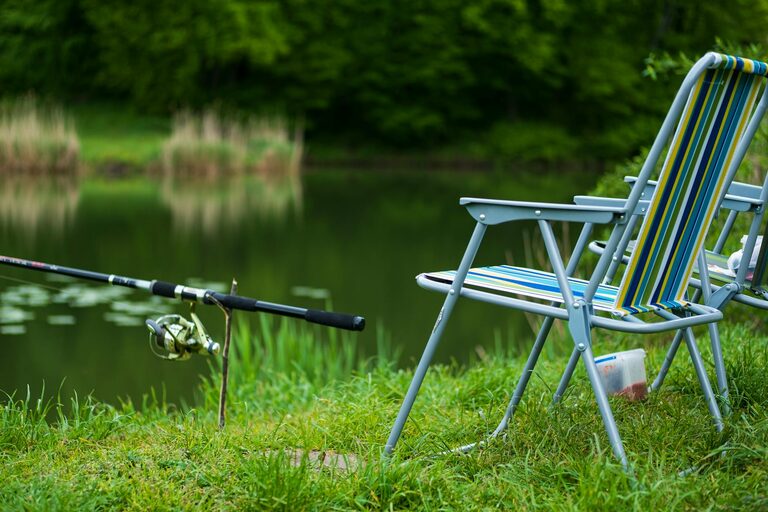
Taking a break from the busy pace of everyday life is essential for maintaining balance and well-being. A no-stress weekend can refresh your mind and body, helping you return to your routine feeling energized and positive. However, planning a truly relaxing weekend requires a little preparation and mindfulness. In this post, we’ll explore practical steps to plan a stress-free weekend that leaves you feeling calm and rejuvenated.
Why Planning a No-Stress Weekend Matters
Weekends are often seen as a time to catch up on errands or work, which can add to stress instead of relieving it. By deliberately planning your weekend to focus on relaxation and self-care, you create space to disconnect from daily pressures. This downtime supports better mental health, reduces burnout, and improves overall happiness.
Step 1: Set Clear Intentions for Your Weekend
Before your weekend arrives, take a few minutes to think about what you want to achieve. Ask yourself:
– What activities help me feel relaxed?
– Do I want to be social or spend time alone?
– Should I focus on rest, hobbies, or light exercise?
Setting clear intentions helps guide your choices and prevents the weekend from slipping away without meaningful rest.
Step 2: Simplify Your Schedule
A packed weekend agenda can quickly cause stress. Keep plans minimal to allow time for spontaneous rest or enjoyment.
Tips for simplifying:
– Limit outings to one or two events
– Block out “do nothing” time on your calendar
– Delegate chores or postpone non-essential tasks to the following week
This deliberate simplicity creates a more peaceful pace.
Step 3: Create a Relaxing Environment
Your surroundings play a big role in how relaxed you feel.
– Declutter common areas before the weekend
– Use soft lighting like lamps or candles after dark
– Play calming music or nature sounds
– Have cozy blankets and comfortable seating available
A peaceful environment signals your brain that it’s time to unwind.
Step 4: Plan Nourishing Meals
What and how you eat impacts your energy and mood. Planning simple, wholesome meals ahead reduces last-minute stress about what to cook.
Meal planning ideas:
– Prepare a batch of soups or stews you can reheat
– Stock up on fresh fruits, nuts, and easy snacks
– Consider one treat meal to enjoy without guilt
– Use a grocery list to shop quickly and efficiently
Eating well supports your body’s rest and recovery.
Step 5: Include Light Physical Activity
Gentle exercise can boost relaxation by releasing tension and improving sleep quality.
– Try a short walk in nature or your neighborhood
– Practice yoga or stretching at home
– Do light gardening or household tasks mindfully
Avoid intense workouts unless they specifically help you reduce stress.
Step 6: Unplug from Technology Regularly
Digital devices can increase stress if overused, especially with constant notifications.
Ways to unplug:
– Set specific times to check emails or messages
– Turn off push notifications on your phone
– Spend an hour or two device-free each day
– Use apps or settings that limit screen time
This break helps your mind slow down and focus on the present.
Step 7: Engage in Enjoyable Activities
Make time for hobbies or pastimes that bring you joy and relaxation.
– Read a favorite book or listen to an audiobook
– Do creative crafts like drawing, knitting, or cooking
– Watch a comforting movie or series
– Write in a journal or meditate
These activities promote mindfulness and a sense of fulfillment.
Step 8: Prioritize Quality Sleep
Good sleep is vital for feeling rested and stress-free.
Tips for better weekend sleep:
– Maintain a consistent bedtime and wake-up time
– Avoid caffeine and heavy meals close to bedtime
– Keep your bedroom cool, dark, and quiet
– Establish a calming bedtime routine like reading or gentle stretching
Restorative sleep helps your body and mind reset.
Final Thoughts
A no-stress weekend isn’t about cramming too many activities or obligations into your days off. It’s about slowing down, tuning into your needs, and intentionally creating space to relax and recharge. Start by setting simple intentions, simplifying your schedule, and embracing restful habits. With these strategies, you can transform your weekends into a regular source of peace and rejuvenation.
Remember, planning a no-stress weekend is a personal process—feel free to adjust these tips to fit what works best for you. Enjoy your well-deserved break!