
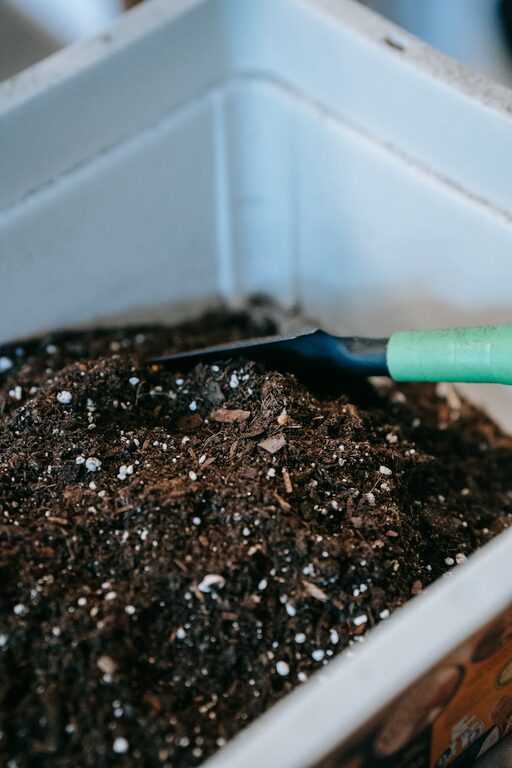
Composting at home is a fantastic way to reduce kitchen and garden waste while creating rich, healthy soil for your plants. Whether you have a large backyard or a small balcony, you can start composting with just a few simple steps. In this post, we’ll guide beginners through the basics of composting, helping you get started quickly and easily.
What is Composting?
Composting is the natural process of recycling organic matter, such as food scraps and yard waste, into nutrient-rich soil. Instead of throwing away these materials, composting breaks them down through decomposition, producing a dark, crumbly substance called humus. This nutrient-packed soil amendment improves plant health, soil structure, and water retention.
Why Compost at Home?
– Reduces Waste: Keeps organic materials out of landfills, reducing methane emissions.
– Saves Money: Cuts down on the need for chemical fertilizers.
– Improves Soil: Provides essential nutrients and enhances soil texture.
– Supports Plants: Encourages healthy plant growth and stronger roots.
– Easy and Eco-Friendly: An accessible way to contribute to environmental sustainability.
Getting Started: Choosing a Composting Method
Several composting methods are suitable for beginners. Your choice depends on the space, time, and effort you want to invest.
1. Traditional Compost Bin
A compost bin is a container where you pile your compost materials. You can buy ready-made bins or create your own using wood pallets, wire mesh, or plastic.
– Pros: Neat and contained, suitable for most backyards.
– Cons: Requires occasional turning for aeration.
2. Compost Pile
Simply heap organic waste in a corner of your garden without a bin.
– Pros: Easy to start, no upfront cost.
– Cons: Less tidy, may attract pests.
3. Tumbler Compost Bin
A rotating barrel-style bin that makes turning the compost easier.
– Pros: Speeds up composting, easy to mix.
– Cons: Can be more expensive, smaller capacity.
4. Worm Composting (Vermicomposting)
Uses special worms (red wigglers) to break down food scraps in a bin.
– Pros: Great for small spaces, produces nutrient-dense compost called worm castings.
– Cons: Needs regular feeding and maintenance, sensitive to temperature.
What to Compost: Green vs. Brown Materials
Balancing your compost pile is key for effective decomposition. Compost materials are grouped into “greens” and “browns.”
Green Materials (Nitrogen-Rich)
– Vegetable and fruit scraps
– Coffee grounds and tea bags
– Fresh grass clippings
– Plant trimmings
Brown Materials (Carbon-Rich)
– Dry leaves
– Straw or hay
– Shredded newspaper or cardboard
– Wood chips and sawdust (untreated)
What to Avoid
– Meat, dairy, and oily foods (can attract pests)
– Diseased plants
– Pet waste
– Invasive weeds and seed heads
Steps to Start Composting
Step 1: Pick a Location
Choose a spot that is convenient and has good drainage. Partial shade helps keep the compost moist but not overly wet.
Step 2: Assemble Your Materials
Begin collecting your green and brown materials in separate containers. Chopping or shredding larger materials helps speed up decomposition.
Step 3: Build Your Compost Pile or Fill Your Bin
Start with a layer of coarse brown materials to aid airflow at the base. Then alternate layers of green and brown materials. Aim for roughly a 2:1 ratio of browns to greens.
Step 4: Maintain Proper Moisture and Aeration
Your compost should feel like a damp sponge—not too dry or too soggy. Water lightly if dry, and turn or stir the pile every 1-2 weeks to add oxygen, which helps microbes break down the waste.
Step 5: Be Patient
Composting can take anywhere from a few weeks to several months, depending on the materials, temperature, and maintenance. Finished compost is dark, crumbly, and smells earthy.
Tips for Success
– Chop materials into small pieces to speed breakdown.
– Keep the pile moist, but not soaked.
– Turn your compost regularly to prevent odors and speed decomposition.
– Avoid adding meat or dairy to prevent pests.
– Use finished compost in your garden beds, potted plants, or lawn.
Troubleshooting Common Problems
| Problem | Cause | Solution |
|——————|——————————-|————————————-|
| Bad odors | Too much green or moisture | Add brown materials and turn |
| Slow decomposition| Pile too small or dry | Add water and mix; add more greens |
| Pests or rodents | Food scraps exposed | Bury scraps deeper, cover pile |
| Compost too wet | Poor drainage | Add dry browns, turn more often |
Composting in Small Spaces
No garden? No problem! Indoor composting options like vermicomposting or bokashi fermentation kits are great for apartments. Worm bins fit easily under counters and handle food scraps efficiently.
Final Thoughts
Starting composting at home is a rewarding, eco-friendly way to reduce waste and improve your garden. With a little patience and care, you’ll soon have nutrient-rich compost to enjoy. Remember, composting is a learning process, so don’t be discouraged by early mistakes. Happy composting!
—
If you enjoyed these tips or want more gardening advice, be sure to check out our other posts and subscribe for updates!