
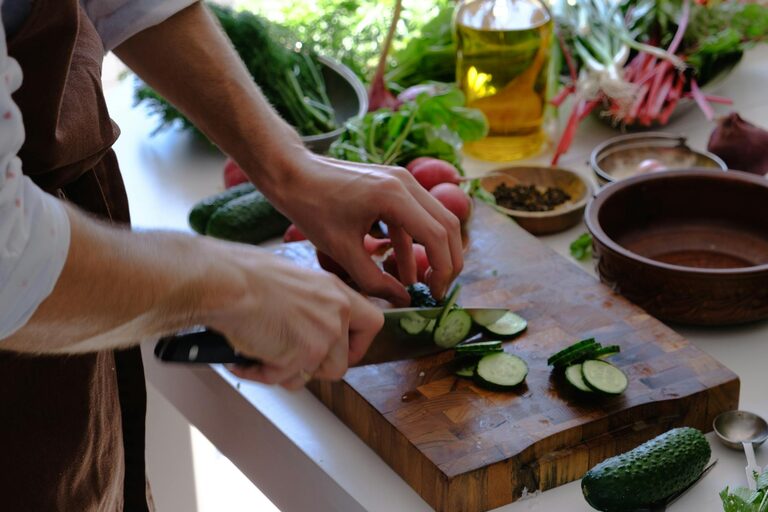
When your schedule is packed from morning until night, finding the time to cook nutritious meals can feel overwhelming. Meal prepping is a fantastic way to simplify your week, reduce stress, and ensure you enjoy home-cooked food even on the busiest days. In this post, we’ll explore easy meal prep ideas that suit a variety of tastes and lifestyles, with tips to get started and stay organized.
Why Meal Prep Is a Game Changer
Meal prepping involves preparing ingredients or full meals in advance, so you can quickly assemble or reheat food later. This approach offers several benefits:
– Saves time during hectic weeknights
– Reduces the temptation to order takeout
– Helps control portion sizes and ingredients
– Minimizes food waste by planning ahead
– Supports healthier eating habits
Even if you’re new to meal prep, starting with a few simple steps can make a big difference.
Getting Started: Tips for Easy Meal Prep
Before diving into recipes, consider these practical tips:
- **Choose a Prep Day:** Pick a day when you have a few hours free—typically weekends or your least busy day.
- **Plan Your Meals:** Decide what you want to eat for the week. Include breakfasts, lunches, dinners, and snacks.
- **Create a Shopping List:** List all ingredients to avoid extra trips to the store.
- **Invest in Containers:** Use BPA-free, microwave-safe containers in a range of sizes to store your meals.
- **Cook in Batches:** Focus on making large portions of staples like grains, proteins, and vegetables.
- **Mix and Match:** Prepare components separately so you can combine them in different ways each day.
Easy Meal Prep Ideas for Busy Weeks
Here are some straightforward ideas to get your meal prep off the ground.
1. Overnight Oats for Quick Breakfasts
Overnight oats are a no-cook, customizable option that can be made in advance and enjoyed cold or warmed up.
How to Prep:
– Combine rolled oats, milk (or plant-based alternative), and a sweetener like honey in jars.
– Add mix-ins such as chia seeds, nuts, or fresh/frozen fruits.
– Refrigerate overnight, and your breakfast is ready to go each morning.
2. Sheet Pan Dinner
Sheet pan meals are ideal for hands-off cooking and minimal cleanup.
How to Prep:
– Choose a protein (chicken breasts, salmon fillets, tofu) and pair with a variety of vegetables (broccoli, bell peppers, carrots).
– Season everything with olive oil, salt, pepper, and your favorite herbs or spices.
– Spread evenly on a baking tray and roast in the oven.
– Divide into meal-sized portions and refrigerate or freeze for later.
3. Grain Bowls
Grain bowls are flexible and easy to assemble, mixing cooked grains, proteins, vegetables, and sauces.
How to Prep:
– Cook a large batch of a grain like quinoa, brown rice, or barley.
– Prepare your protein—grilled chicken, beans, or boiled eggs work well.
– Chop or roast vegetables.
– Store each component separately in the fridge.
– Assemble bowls each day, adding dressing or sauce before serving.
4. Slow Cooker or Instant Pot Meals
Using a slow cooker or Instant Pot allows you to prepare meals with little active cooking time.
Popular Ideas:
– Soups and stews full of vegetables and lean meats
– Chili with beans and ground turkey or beef
– Curries or pasta sauces that can be cooked in one pot
Cook these in larger quantities, then portion and store.
5. Salad Jars for On-the-Go Lunch
Layering ingredients in a jar keeps salads fresh and portable.
How to Prep:
– Start with the dressing at the bottom.
– Add sturdy vegetables (like cucumbers, carrots).
– Follow with grains or proteins.
– Finish with lettuce or greens on top.
– When ready to eat, shake the jar or pour into a bowl and toss.
6. Snack Boxes
Preparing snack boxes helps curb hunger between meals and avoids unhealthy choices.
Snack Ideas to Prep:
– Sliced veggies with hummus
– Mixed nuts and dried fruits
– Cheese cubes and whole-grain crackers
– Fresh fruit portions
Portion these into containers or bags for a grab-and-go option.
Storing and Reheating Tips
– Label your containers with the meal and date to keep track.
– Most meals can be stored in the fridge for up to four days.
– Freeze meals you won’t use within that time frame.
– Reheat thoroughly on the stovetop or microwave, adding a splash of water to prevent dryness.
Final Thoughts
Meal prepping is a powerful tool to make busy weeks easier and healthier. Start small with a few recipes or prep one or two meals a week, gradually building your routine. With practice, you’ll enjoy the convenience and peace of mind that prepared meals bring.
Remember, the goal is to save time and reduce stress—not to add more work to your plate. Feel free to adapt these ideas to your preferences and schedule, and enjoy the benefits of eating well with less hassle!