
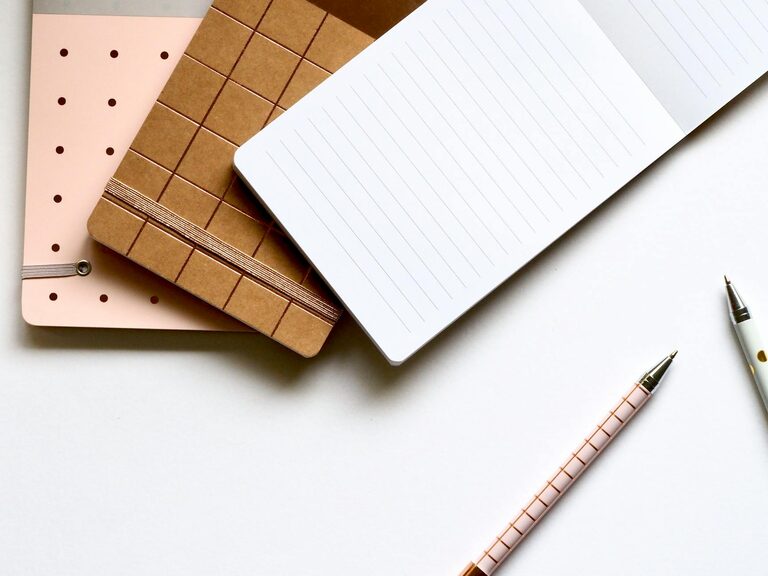
Choosing the right notebook can make a big difference in how often you use it. Whether for work, school, journaling, or creative projects, a notebook that fits your style and needs encourages consistent use and productivity. But with so many options available, how do you find one you’ll actually enjoy using?
In this post, we’ll guide you through practical steps to select a notebook that suits your lifestyle, preferences, and purposes.
Why Choosing the Right Notebook Matters
A notebook isn’t just paper; it’s a tool that supports your ideas, plans, and memories. Using the right one can:
– Enhance your motivation to write or plan
– Help you stay organized
– Encourage creativity
– Make note-taking a pleasant experience
Picking a notebook that doesn’t match your needs can lead to frustration and neglect. Let’s avoid that by considering important factors before you buy.
Step 1: Identify Your Primary Use
Before browsing options, think about what you want to use your notebook for. Some common reasons include:
– Work or School Notes: Quick jotting, lecture notes, meeting minutes
– Journaling: Daily reflections, gratitude, mood tracking
– Creative Projects: Sketches, story ideas, mind maps
– Planning: To-do lists, calendars, goal setting
– Bullet Journaling: Custom layouts and trackers
Knowing your primary use helps narrow down features such as size, paper type, and binding.
Step 2: Choose the Right Size
Notebooks come in various sizes. Here’s how to choose the best size for your lifestyle:
– Pocket-sized (A6 or smaller): Portable, fits in purses or pockets, great for quick notes on the go
– Medium (A5): A popular balance between portability and writing space
– Large (A4 or letter size): Ideal for detailed notes, drawings, or planning pages
If you carry your notebook daily, a smaller, lightweight option may be best. For desk use, a larger size can provide more room to work.
Step 3: Select the Paper Type
The feel and quality of paper impact writing comfort and usability.
– Ruled (lined) paper: Best for writing and note-taking
– Plain (blank) paper: Ideal for sketches, doodles, or freeform notes
– Dot grid paper: Combines structure and flexibility; favored in bullet journaling
– Grid (graph) paper: Useful for math, charts, or design work
Also, consider paper weight—thicker paper prevents ink bleeding or smudging, especially when using markers or fountain pens.
Step 4: Decide on Binding and Cover
Binding affects durability and how your notebook lays flat.
– Spiral-bound: Easy to flip pages and lay flat, but can snag or get bent
– Perfect binding (glued spine): Sleeker look but less flexible
– Sewn binding: Durable and lays flat, often found in higher-quality notebooks
– Disc-bound: Allows for page removal and rearrangement
For covers:
– Hardcover: Offers protection and sturdiness, ideal for carrying around
– Softcover: Lightweight and flexible, easier to slip into bags
– Leather or faux leather: More premium feel and durability
– Recycled or eco-friendly: For those who prefer sustainable options
Step 5: Check Additional Features
Some extra aspects can enhance your experience:
– Page numbers: Useful for reference and organization
– Index or table of contents: Helps find important notes quickly
– Perforated pages: Easy to tear out notes without damage
– Pocket folder: Stores receipts, papers, or stickers
– Elastic closure: Keeps notebook securely closed
– Pen loop: Handy for always having a pen nearby
Choose features that align with how you plan to use the notebook.
Step 6: Consider Your Writing Tools
Your choice of pen or pencil can influence the notebook you pick. If you use gel pens or fountain pens, look for paper that won’t bleed or feather. If you prefer pencils or markers, check if the paper texture supports these well.
Step 7: Think About Your Budget
Notebooks are available at many price points, from affordable basic notebooks to premium artisan brands. Decide on a budget but remember that investing a little more in the right notebook can boost your motivation and durability.
Step 8: Test Before Committing
If possible, try to feel and flip through notebooks at a store before buying. This hands-on experience will help you assess paper quality, size, and binding comfort.
Final Tips to Stay Consistent
– Keep your notebook accessible: Store it where you’ll see and use it daily
– Personalize your notebook: Add stickers, write your name, or decorate the cover
– Set simple goals: For example, write one sentence daily or plan one week at a time
– Be flexible: If one style isn’t working, don’t hesitate to try another
Conclusion
Finding a notebook you’ll actually use involves understanding your needs and experimenting with features that suit your lifestyle. Remember, the perfect notebook is a personal choice, and the best one inspires you to write, plan, and create consistently.
With these tips in mind, your next notebook purchase is sure to become your new favorite companion! Happy writing!